A source of information and art about the Sacred Maya Calendar
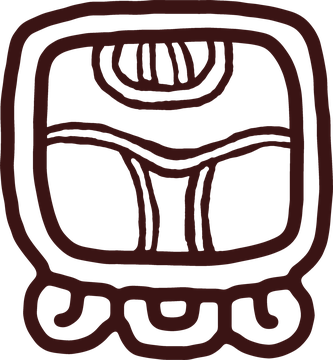
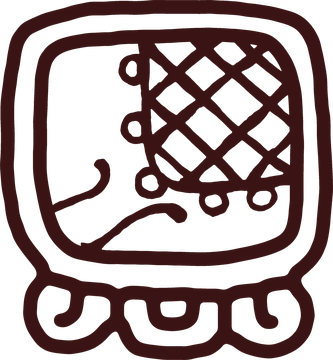
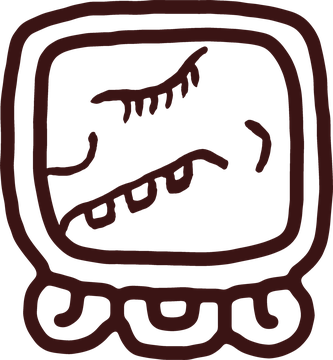
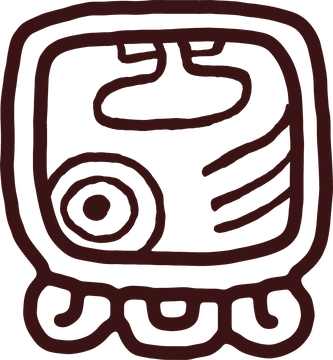
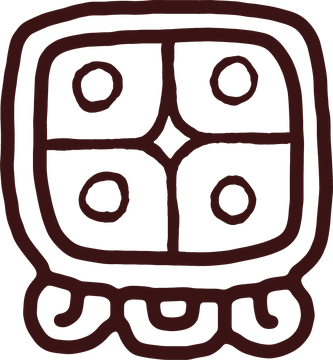
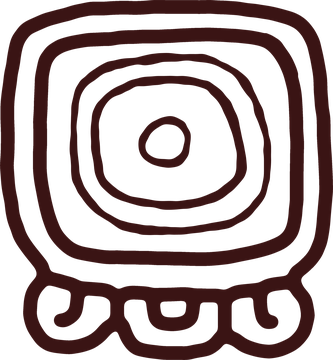
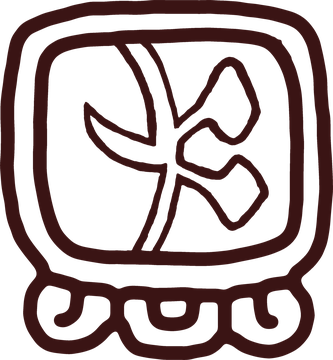
Enter any date from the year 1 CE through 9999.
Dates before October 15, 1582 are read in the Julian calendar, which was used before the Gregorian calendar replaced it. Countries made the switch at different times (Britain and its colonies not until 1752), so for dates between 1582 and the mid-1700s, check which calendar the original record used.
“This instrument allows each of us to find our place in the world, understand our propensities, strengths, and weaknesses, and lead an existence that is in harmony with our individual life purpose and thus reach our full potential.
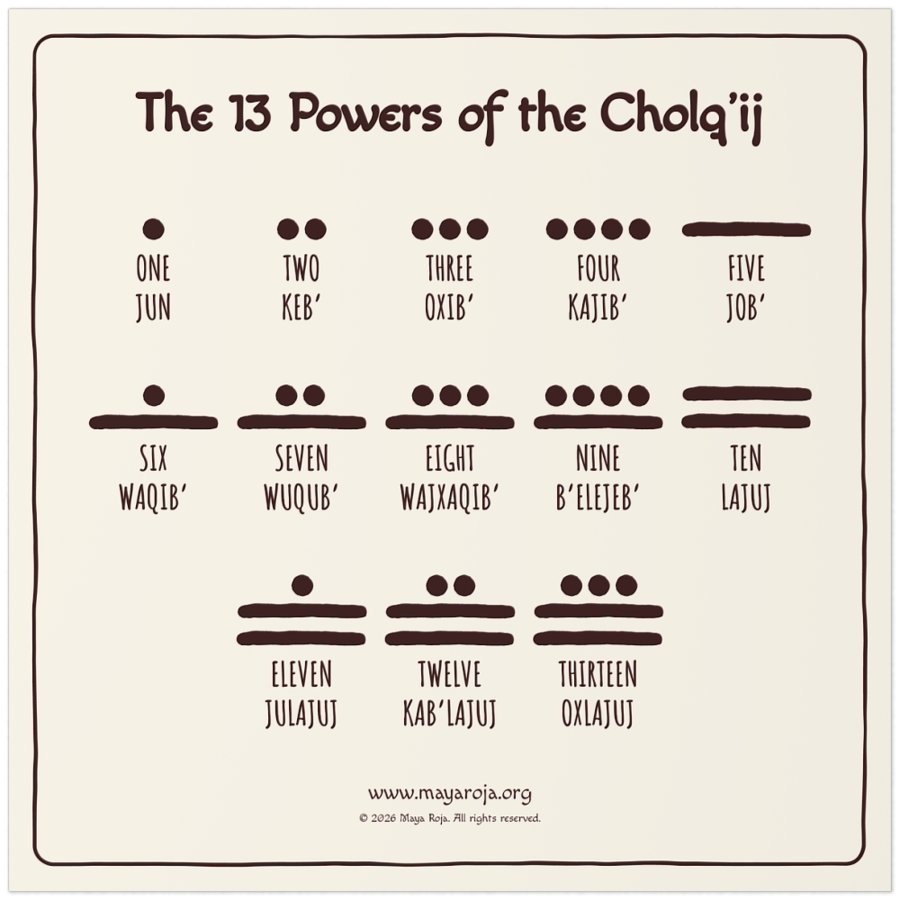
The Cholq'ij is a calendar with 260 days or energies: the 20 days in the Mayan month, multiplied by the 13 days of the week (20 x 13 = 260)… The nawal energies symbolized in the signs of the Cholq'ij are related to the cosmic-telluric. From the moment we exist in their presence their strength and power govern us. Our way of life, both social and spiritual, is influenced or ordained by this energy form in this manifestation of what we call reality.”
An excerpt from The Book of Destiny by Carlos Barrios
If you want to understand the Cholq'ij, or in fact anything at all about the Maya tradition and world view, your first stop should be The Book of Destiny by Carlos Barrios. Carlos Barrios was a member of the Maya Council of Elders. He wrote this book at the request of the other council members with the goal of putting into the world an authentic account of what the Maya believe, in their own words. This was done in no small part to counteract the widely held, grossly inaccurate, but popular and sensational idea that the end of the Long Count (Bak'tun) calendar in 2012 signified the end of the world to the Maya. This was never a belief held by the Maya.
Carlos Barrios was my teacher in the Maya tradition and this calendar, but I am not in any other way associated with the book. I recommend it simply because it is the definitive text on Maya cosmology.
by Carlos Barrios
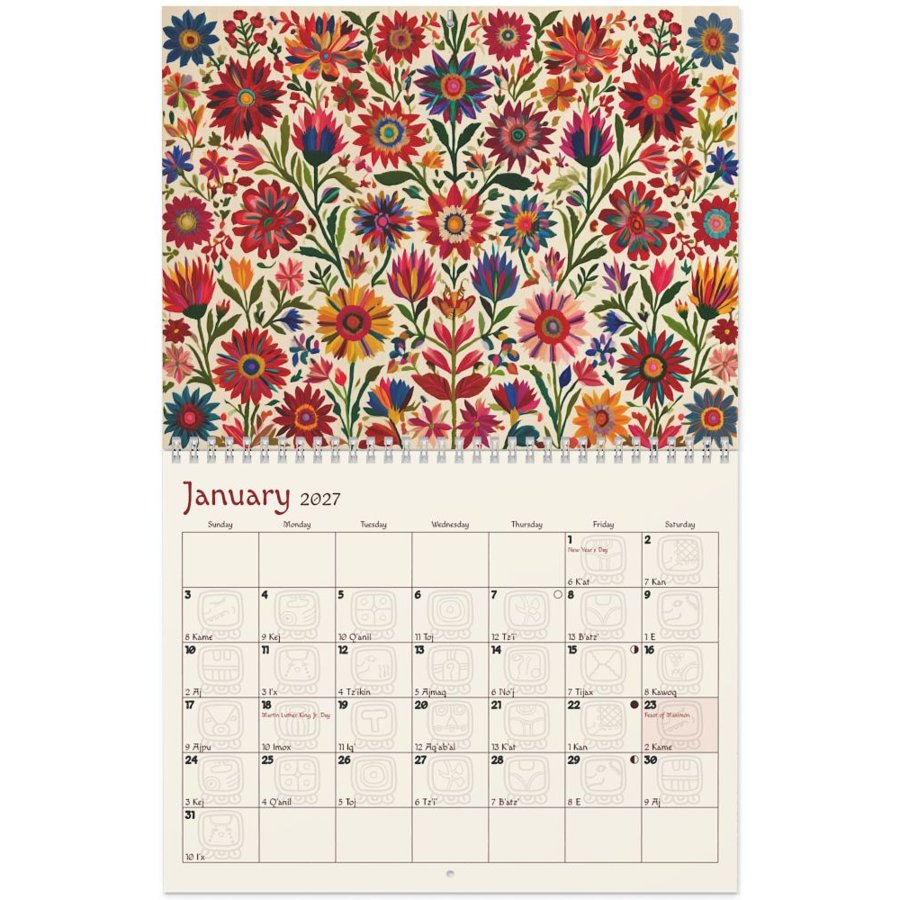
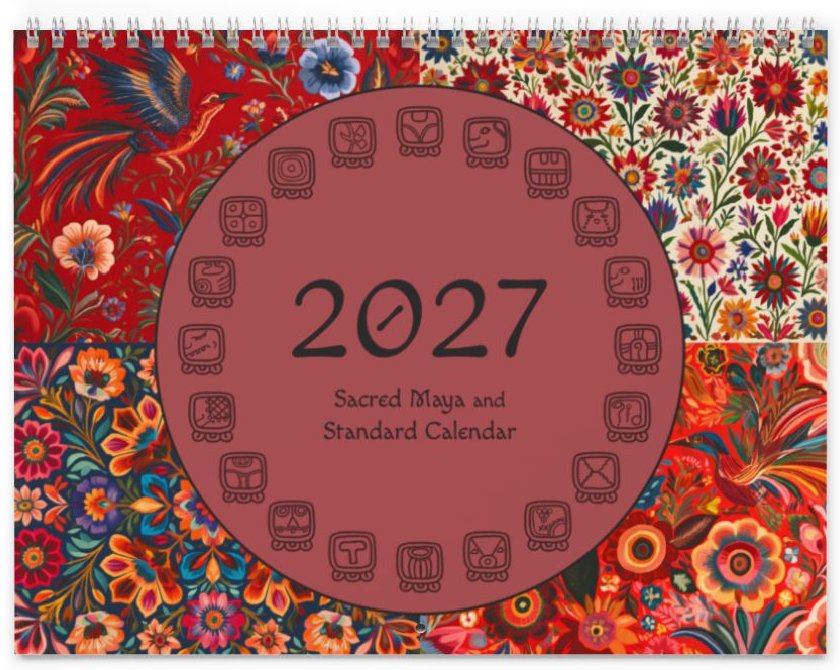
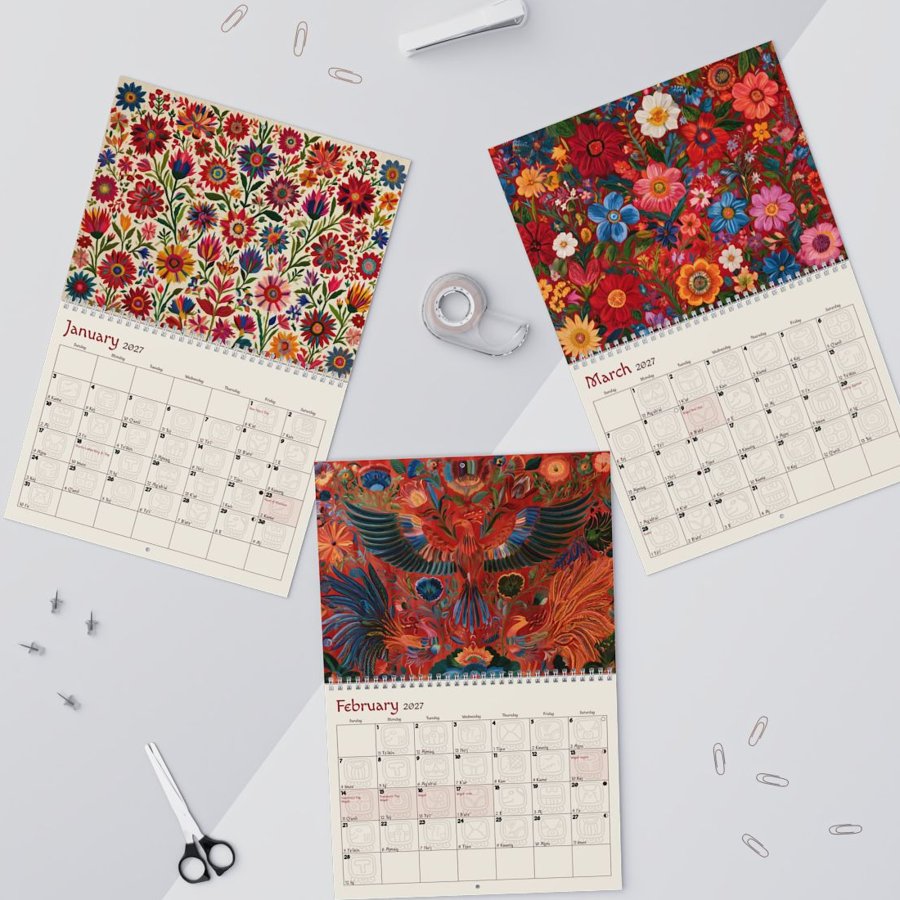
This 2027 wall calendar brings the Cholq'ij into daily life.
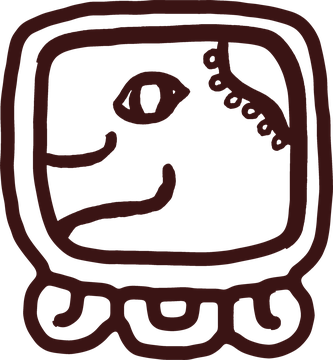
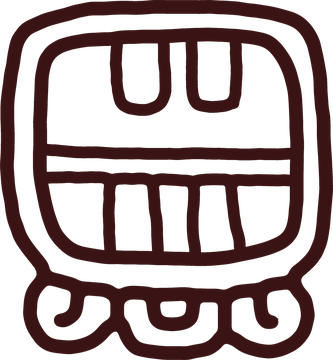
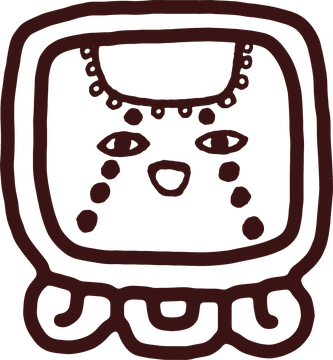
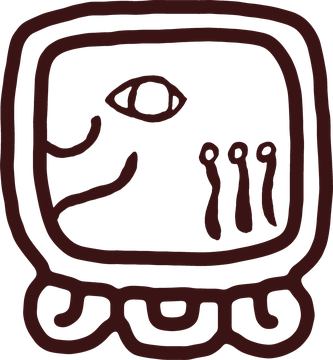
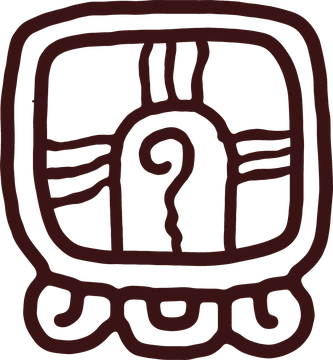
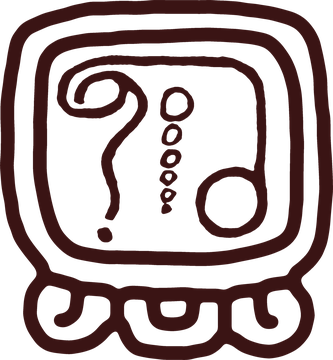
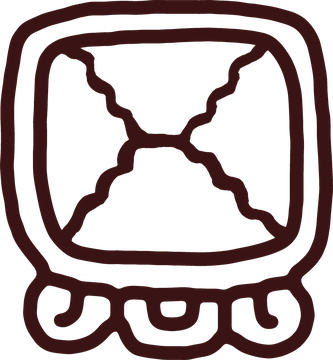
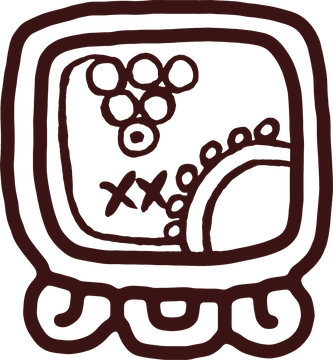
The Nawal glyph for each day is clearly visible along with the complete Maya date for that day.
It also notes the dates of the Maya New Year, Wayeb, and the Feast of Maximon,
as well as moon phases, solstices and equinoxes, and the standard U.S. holidays.
I hand painted every glyph. I turned those paintings into the calendar and posters you see here because they were the things I wanted to have myself. I'm sharing them in the hope they help others connect with the sacred energies of the Cholq'ij.
Maya Roja is a studio for those who are students of or inspired by the Maya Cholq'ij (Tzolk'in), the 260-day sacred calendar still used today.
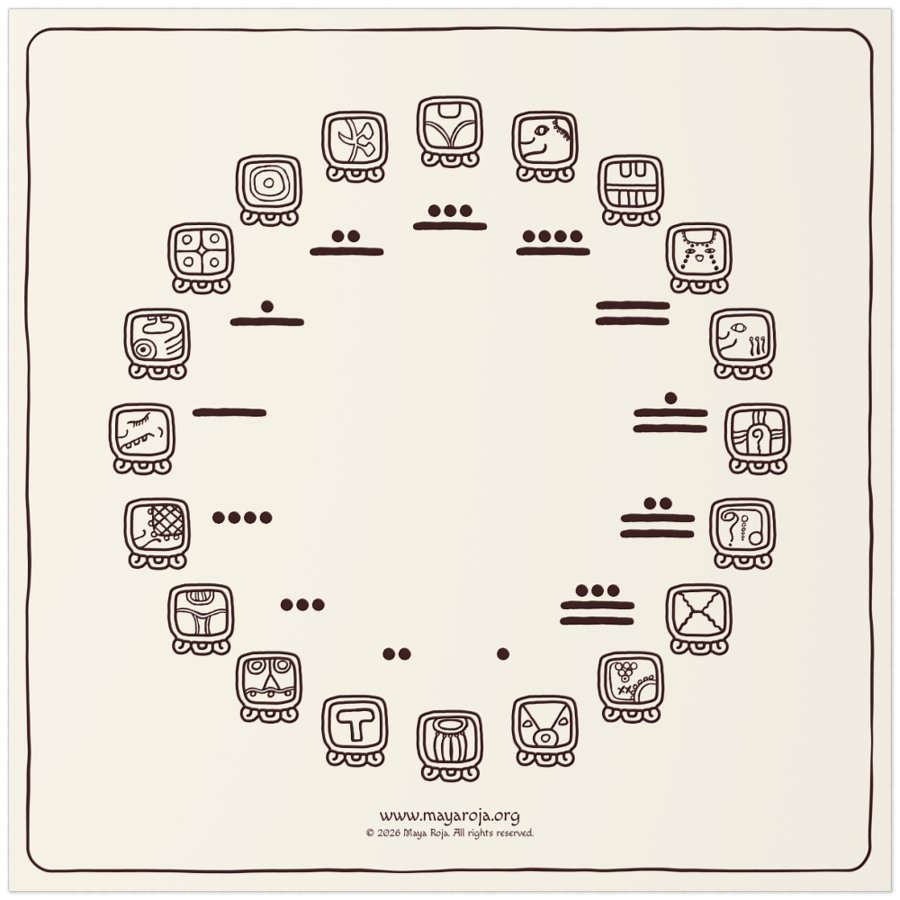
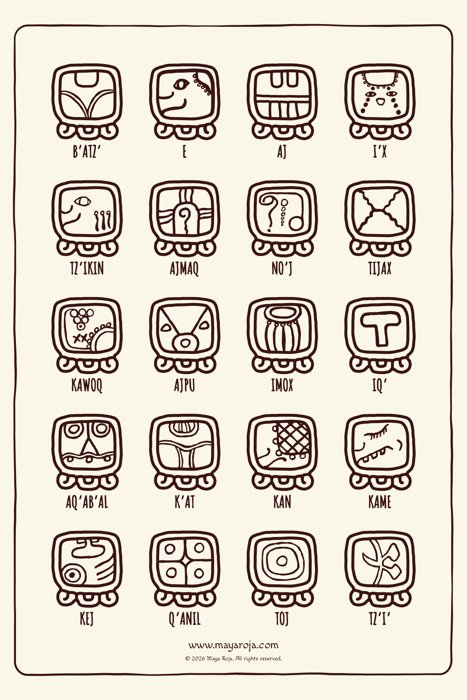
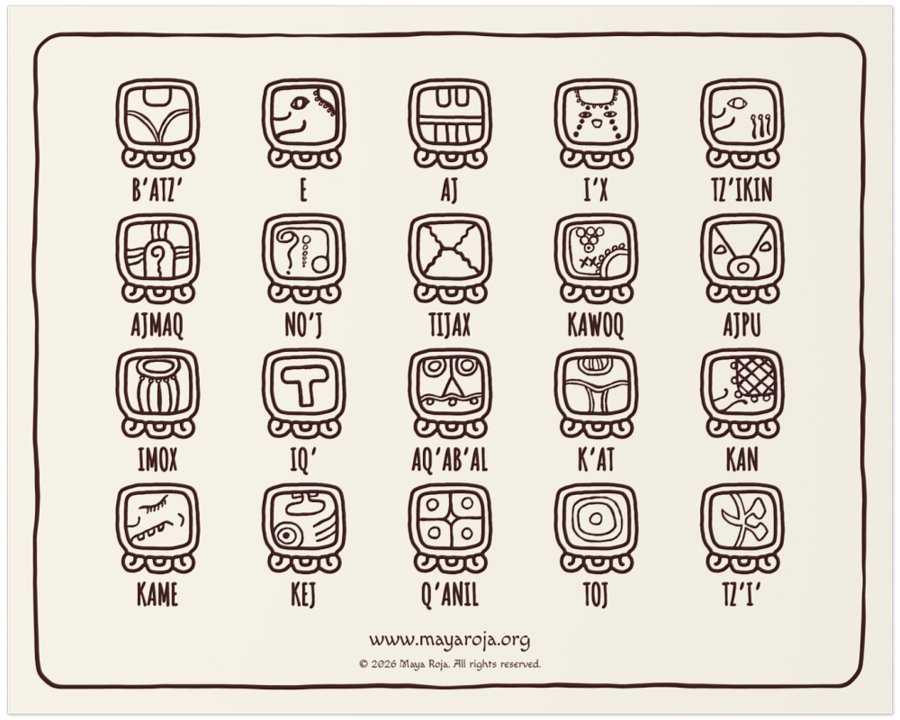
I started this project because I wanted an easy-to-use and easy-to-find Cholq'ij calendar calculator. I also wanted a wall calendar that made the Maya count of days easy to follow and could be used as my practical, everyday calendar. I then decided to create wall art so that I could see all the glyphs together. I hand painted each glyph, then digitized those paintings to use in the wall calendar and create the wall art posters.
The wall calendar places each day of the Cholq'ij (Tzolk'in) within the standard Gregorian calendar. It also notes the dates of the Maya New Year, Wayeb, and the Feast of Maximon, as well as moon phases, solstices and equinoxes, and the standard U.S. holidays.
I am a Social Psychologist and teacher who was accepted as a Caminante by Maya Elder Carlos Barrios, my teacher in the Maya tradition. A Caminante is translated literally as “A Maya Walker,” a person with the energy associated with the spirit of the traveler—the pioneer who clears paths into the unknown and seeks a spiritual purpose in everyday life. For me specifically that means I am on the path to becoming a Maya priest, or shaman.